- What does the program include, and what does my school budget separately?
- The program provides 38 instructional videos, lesson plans, build plans, workbooks and assessment resources, tool and material lists, program and build support, and inspection service under a two-year license ($6,999 per license). Schools budget separately for the trailer, construction materials, tools, testing equipment, and optional training. THinc's planning estimate for the trailer and materials is $28,000 to $35,000, and costs vary by state, donations and vendor deals.
- How does certification work?
- The program guides schools through a tiny house build with documented quality checks and inspection checkpoints supporting third-party certification. Certification depends on completing the applicable requirements. Certification of a home is different from permission to place or occupy it: transportation, placement, and occupancy depend on the completed project and applicable approvals.
- What kind of space does my facility need?
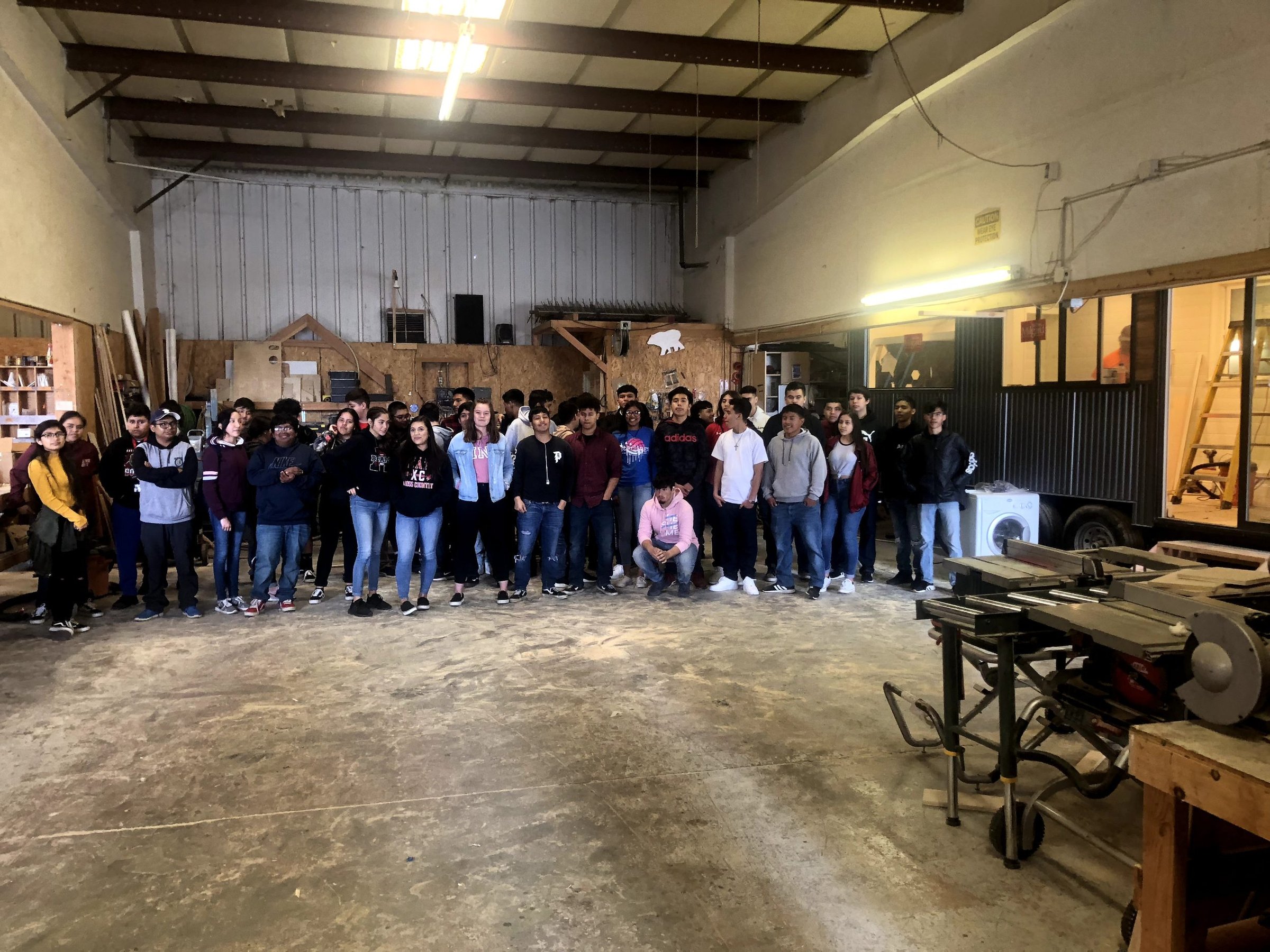
- The build requires a covered work area large enough to accommodate the trailer footprint plus working room on all sides, typically a large shop bay, gymnasium, or outdoor covered structure. We'll assess your available space during the inquiry process and confirm before scheduling.
- Does my school need licensed contractors or instructors?
- The course is designed to operate under school supervision, not as a licensed contractor job. Program and build support are included in the license. Your instructors and administrators manage the educational environment; THinc provides the curriculum resources and support.
- How many students can participate in one course run?
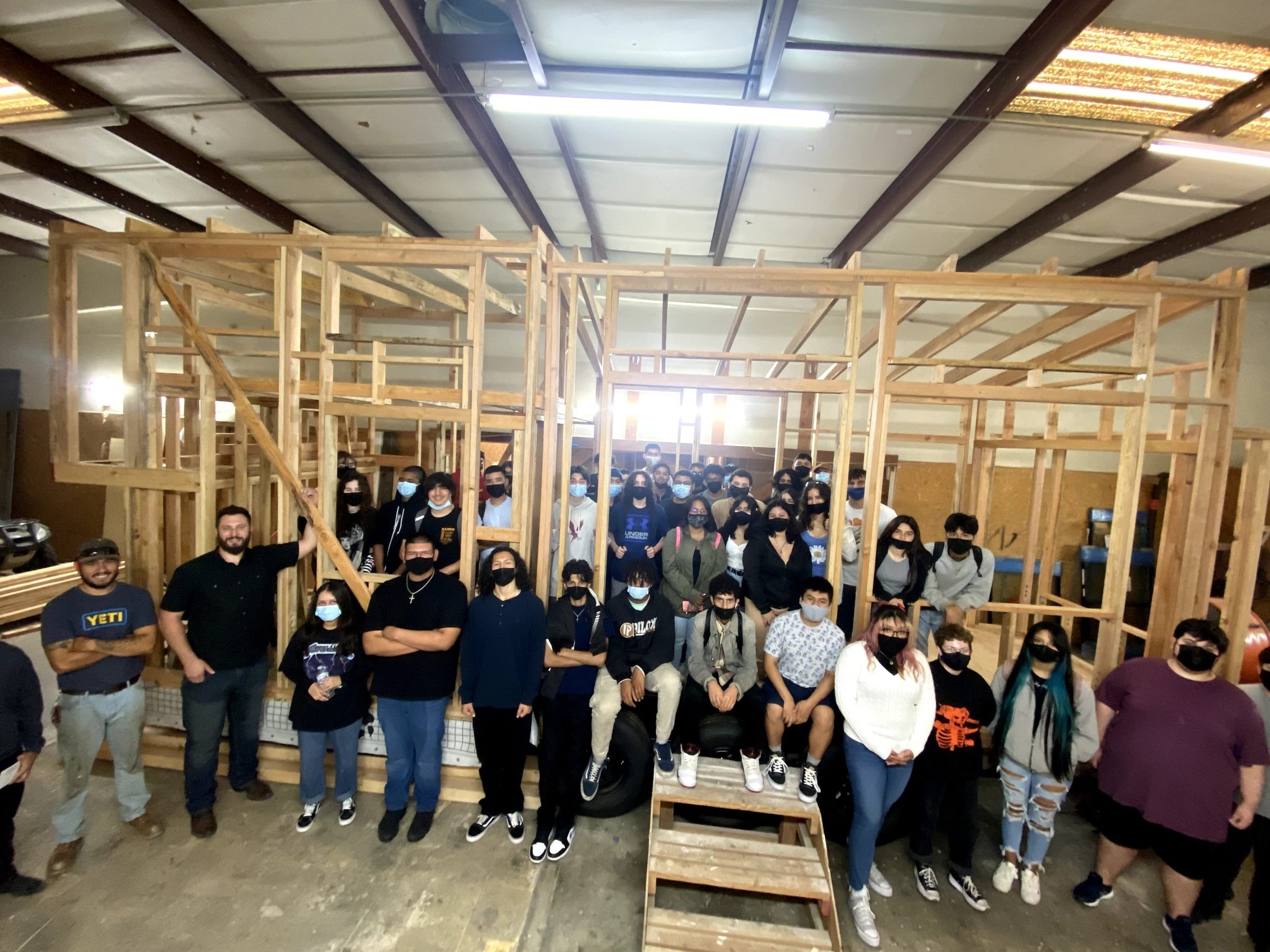
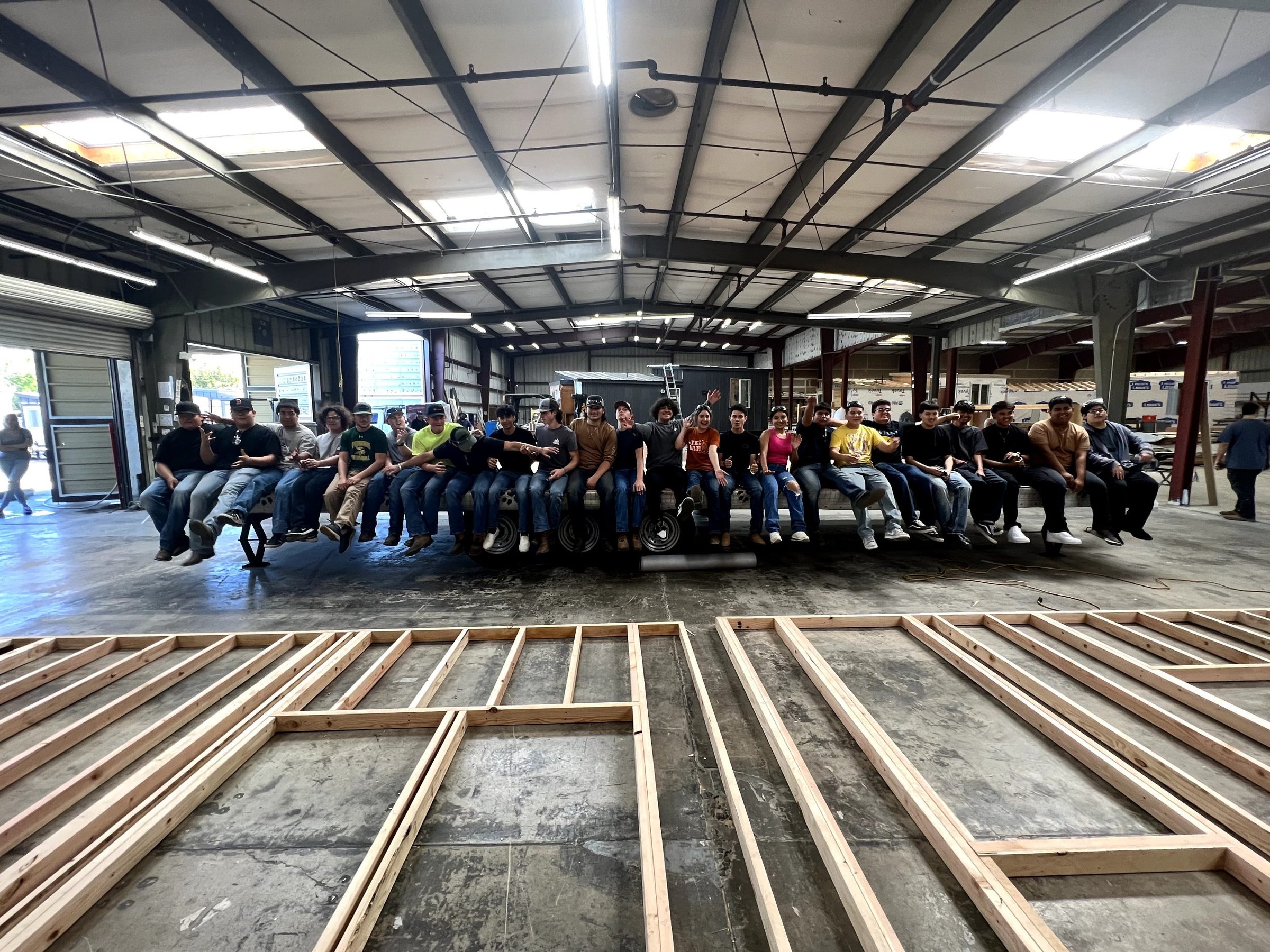
- The course is designed for team-based construction. We'll discuss ideal cohort size during the inquiry process based on your space and the scope of the build. More students means more hands on different phases simultaneously.
- What happens to the tiny home after the course?
- The completed home belongs entirely to your school or organization. Finished homes can serve as campus demonstration units, support local housing needs, or be sold to fund future builds. Transportation, placement and occupancy depend on the completed project and applicable approvals.
- Can this course count toward CTE or vocational program requirements?
- That depends on your state's CTE credentialing standards and your program's existing approvals. We can provide detailed curriculum documentation to support an articulation or credit-approval request. Contact us and we'll share what we have.
- We're not a school. Can other organizations run this course?
- Workforce development organizations, re-entry programs, community organizations, and faith-based institutions can explore the program. If you work with adults who need practical construction skills and hands-on experience, contact us to talk through your situation.