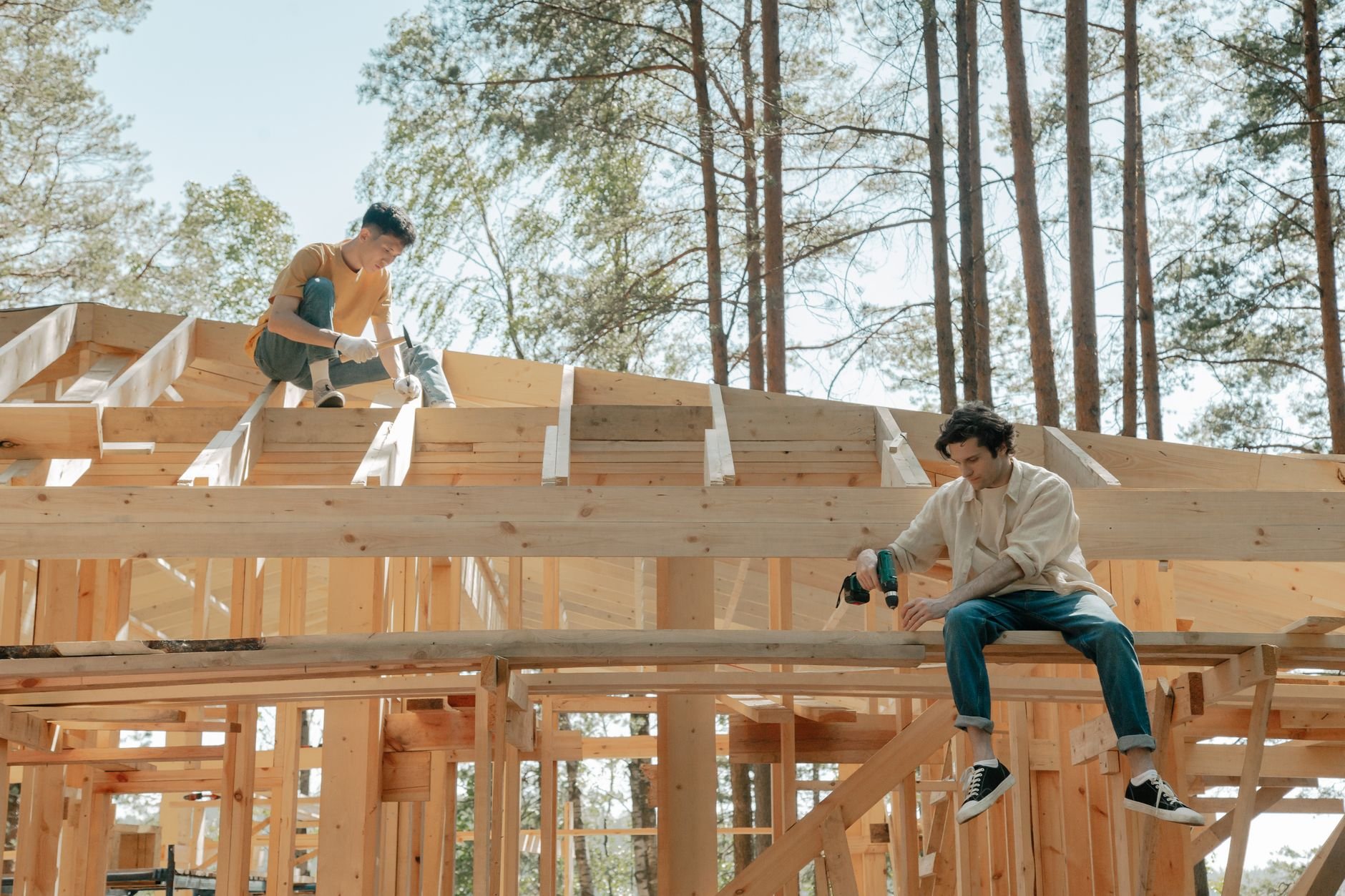
Our Story
About Us
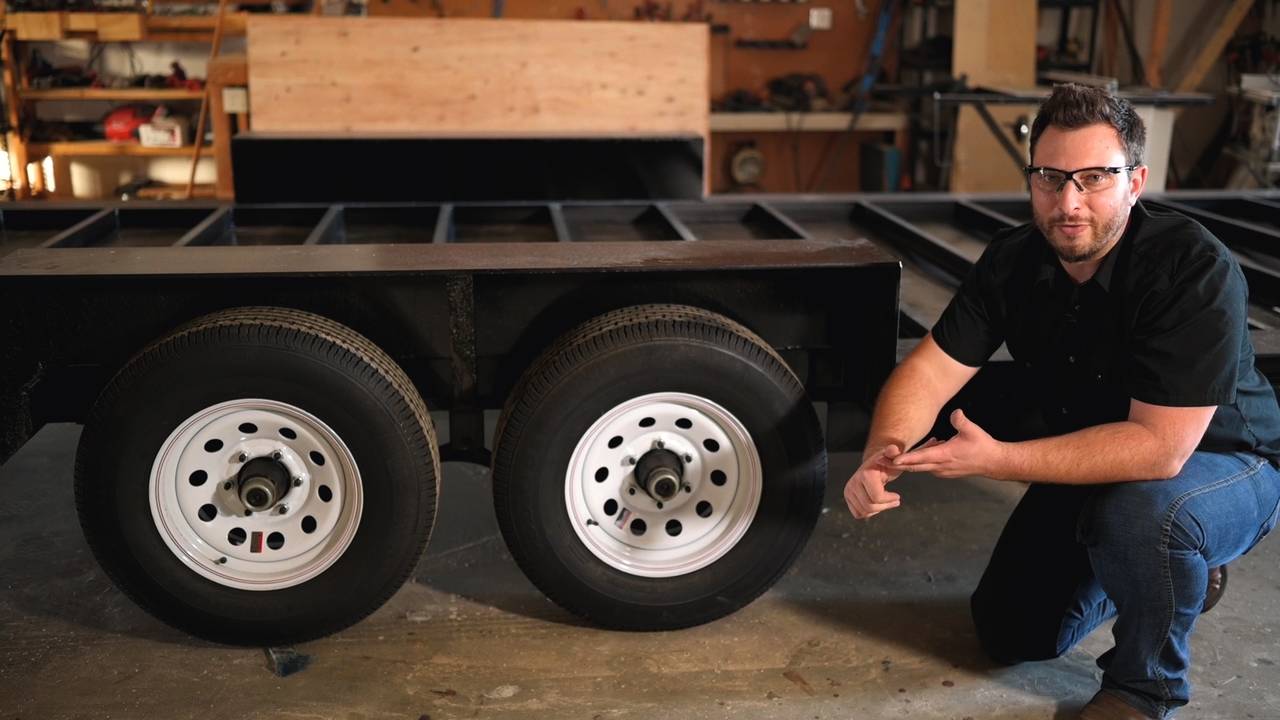
Meet the Founder
Hey, I'm Nick Mosley
From a young age, I've always known I was going to be a builder. I've taken everything I've learned as a former CTE student, along with 20 years of construction, and packed it into this curriculum to help students learn valuable skills that prepare them for careers.
Nick is the owner and founder of several companies, including California Tiny House, Inc., Tiny House Education (501c3), Tiny House, Inc. and Cali Prefab. He is a contributing author for the ICC Modular Standards 1200 and 1205, and contributes to the upcoming moveable tiny house standards (MTH1215) in collaboration with ICC and THIA.
He serves as Vice President of the American Tiny House Association (ATHA), is a voting Board Member for the Tiny Home Industry Association, and is Chairman of the National Tiny Home Builders Committee. He is an active industry partner and advisor for over a dozen school districts across the country.
Why I Teach
A proud product of CTE
I'm a proud Career and Technical Education graduate. Working with my father and through CTE programs, I built a strong foundation in construction and the tiny house movement through hands-on learning.
Those experiences fueled my passion for giving students real-world skills and preparing them for meaningful careers in the trades. Today I work with educators on curriculum frameworks, quality assurance protocols and industry certifications, host professional development workshops, and support teachers in delivering project-based learning that aligns with academic standards.
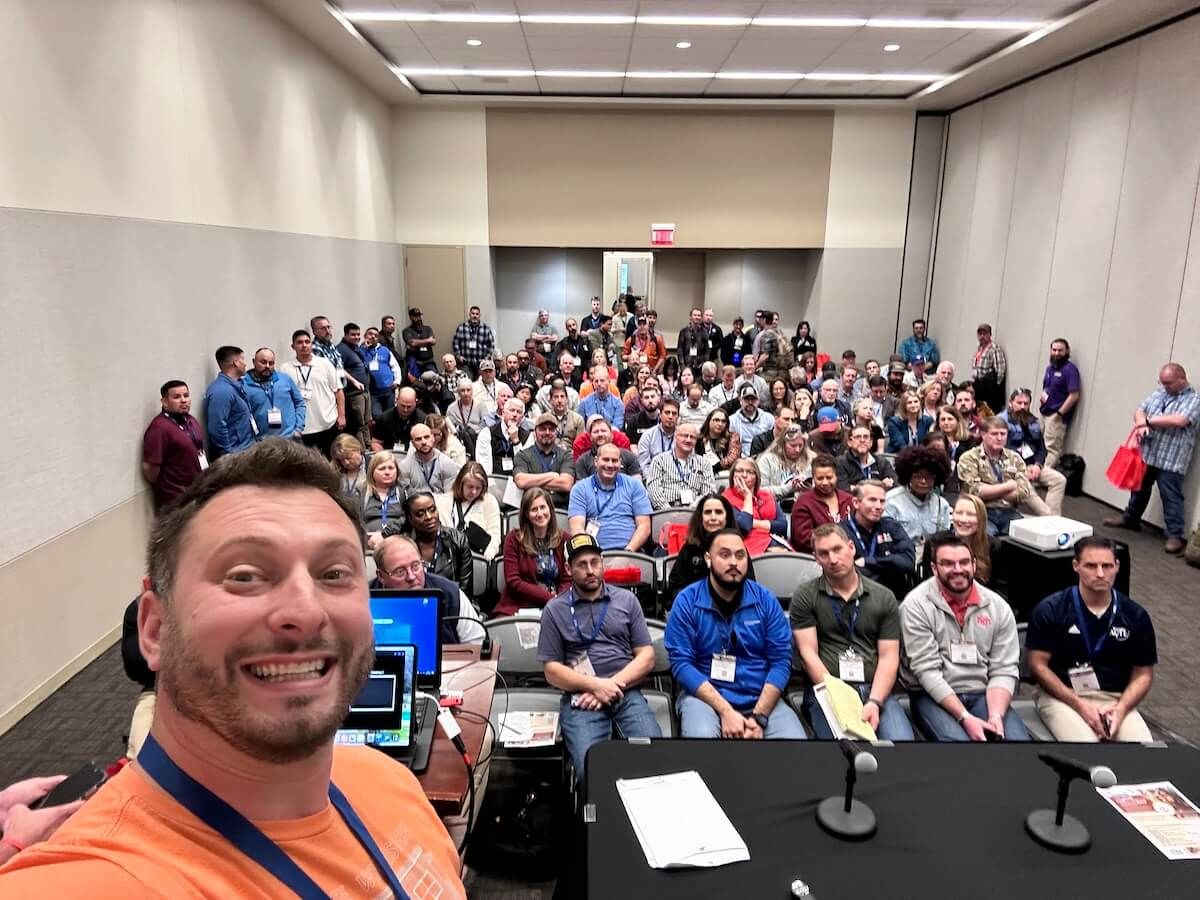
Our Mission
Construction education works when students build something real.
Educators have built strong construction and CTE programs, and the Tiny Home Build Course is designed to extend them, not replace them. It gives your students a complete, start-to-finish project to apply the skills they already learn in your shop.
That means experiencing a structure from the ground up: measuring, cutting, fastening, troubleshooting, and completing. The kind of learning that happens when the wall you framed has to stand square, because it's going on a real roof.
Tiny home construction turns out to be an ideal vehicle for that kind of education. The structure is complete. Every trade is represented, every phase follows naturally from the last, and the finished product is a real home. Students who complete the course haven't just learned about framing. They've framed. They've run wire. They've set plumbing. And they have documented experience to show for it.
The program is built to be delivered by schools and organizations, not to add administrative burden to your staff, but to give your students a hands-on capstone that proves what they can do.
School Spotlight
Mendota High School
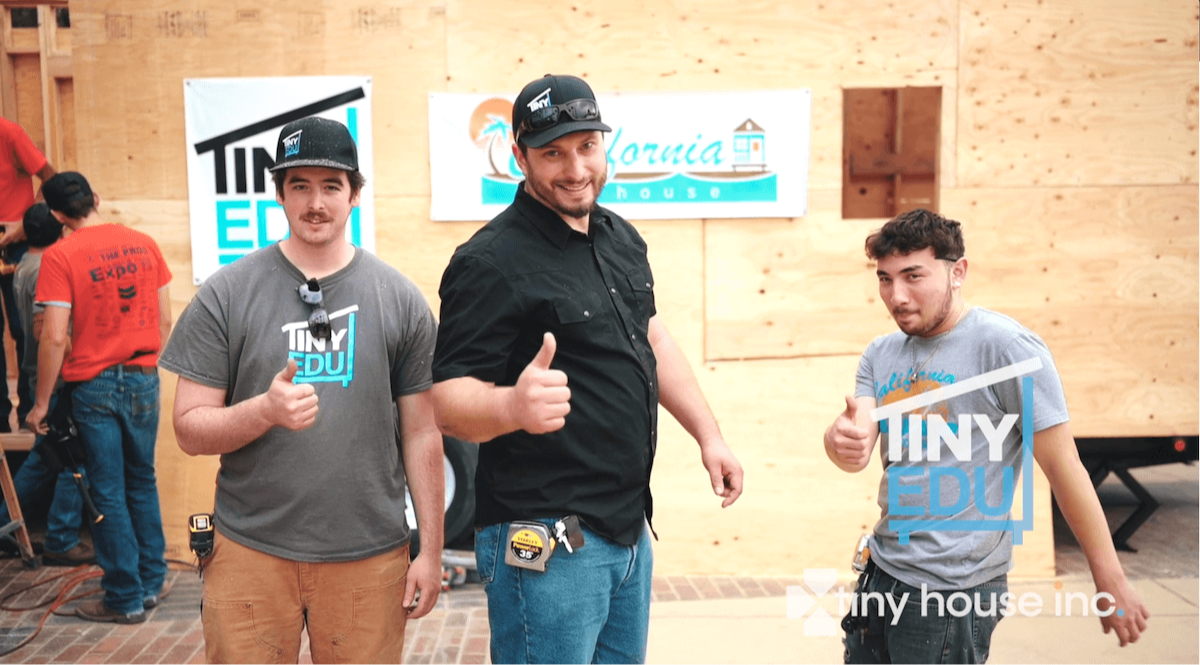
Caitlin Carpenter's ag construction program at Mendota High School, in California's Central Valley, builds tiny homes with students as part of its CTE pathway.
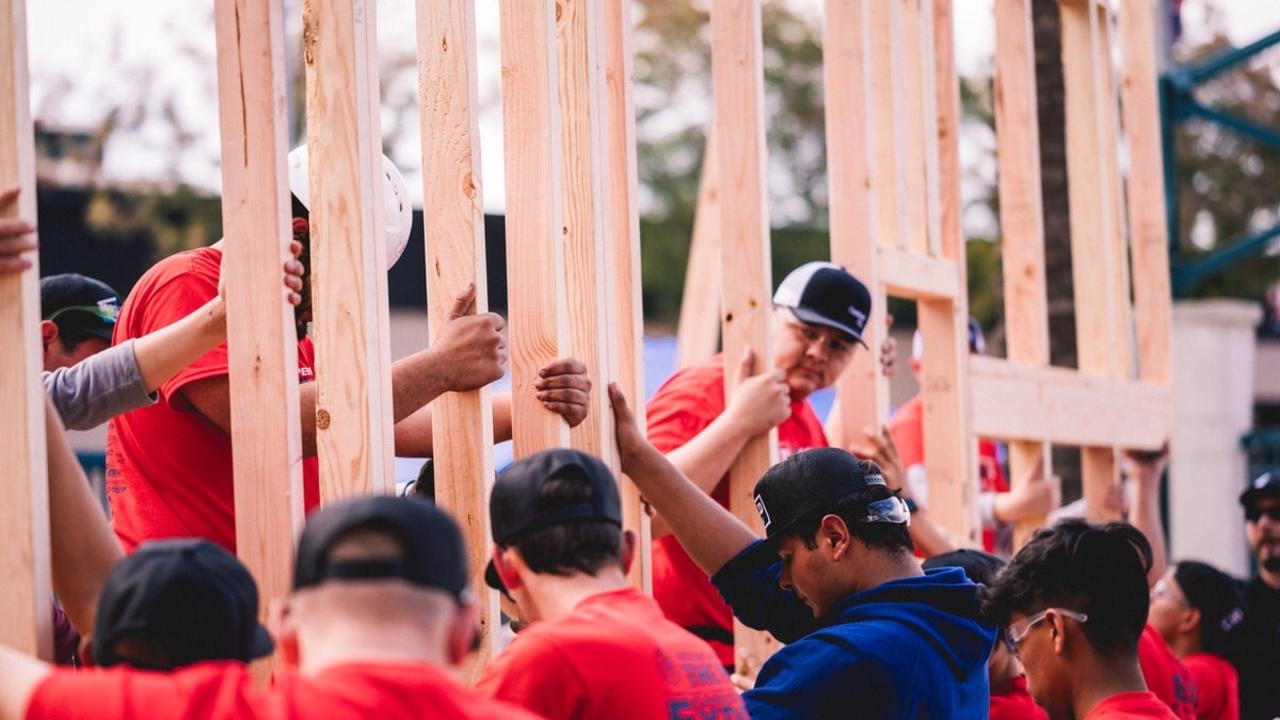
What students built
Students have completed five tiny homes, working through the full build from framing to finish.
The teacher's perspective
“It lines up with the same standards that we have in ag mechanics pathway and just gives them a more realistic look of the skills in the future.” Caitlin Carpenter, Mendota High School (KSEE, Sept. 2023)
The outcome
Five completed homes, putting real-world skills to work on community housing needs.
Project figures as reported by THinc Education.
Our community
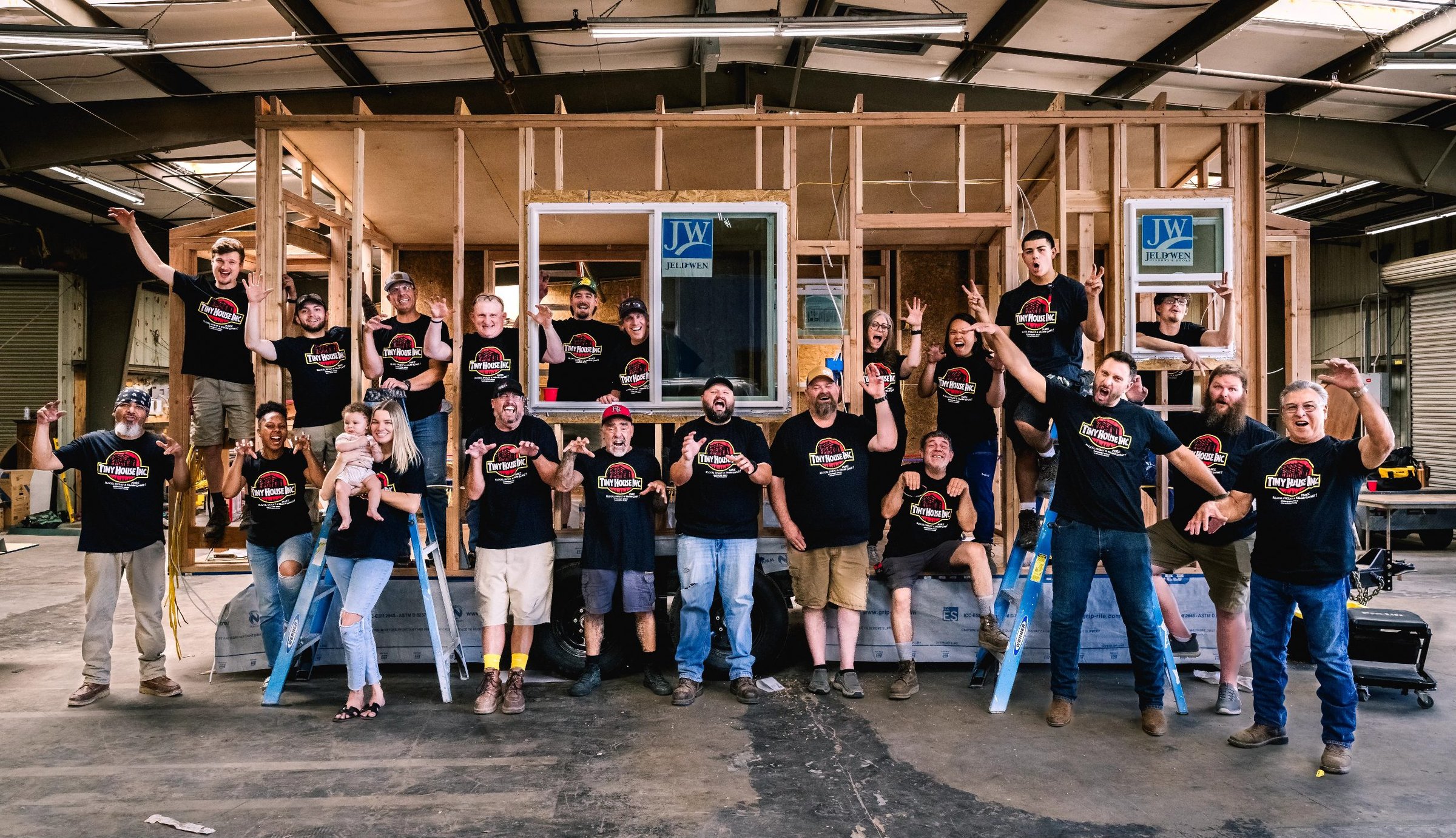
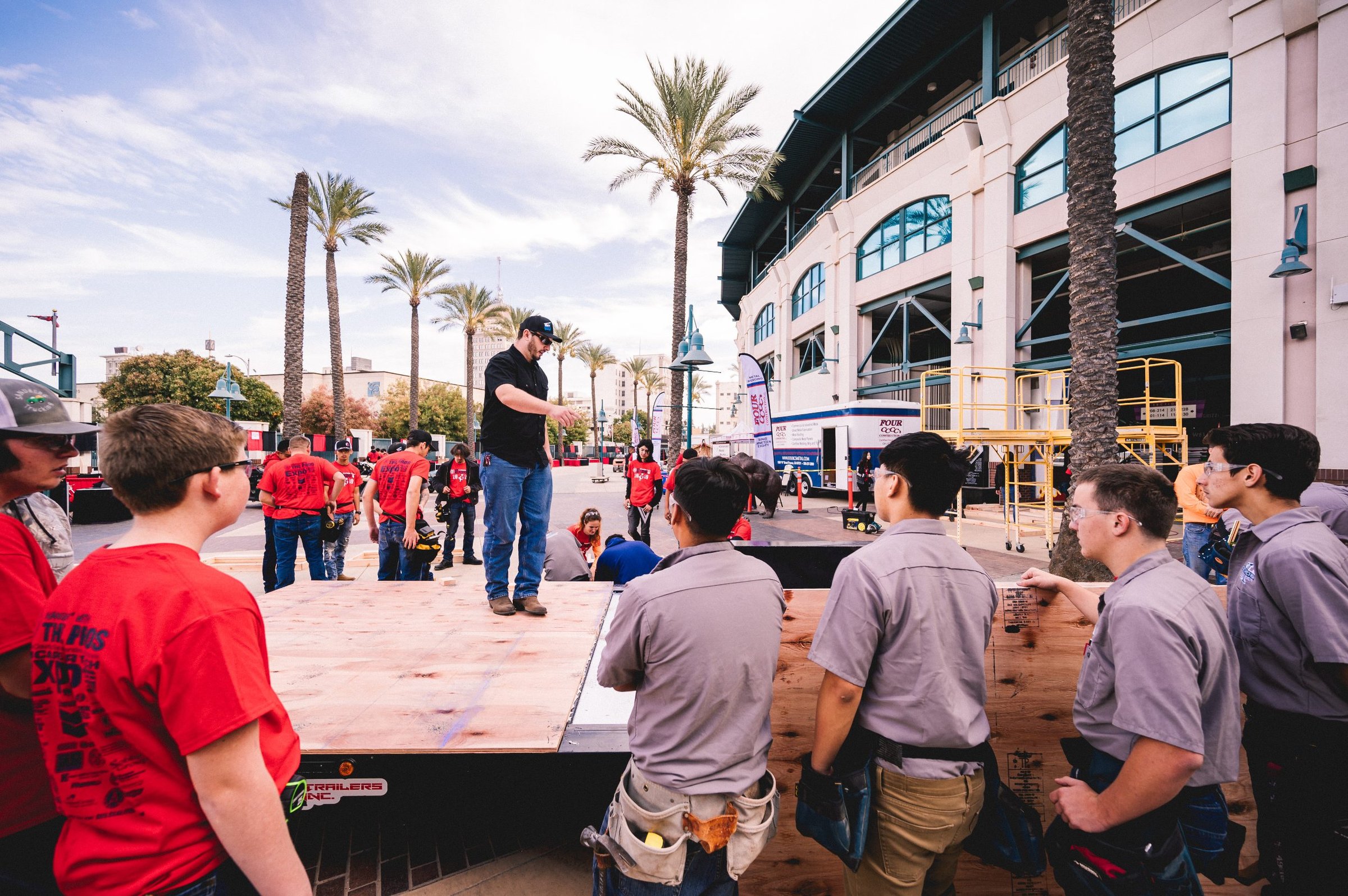
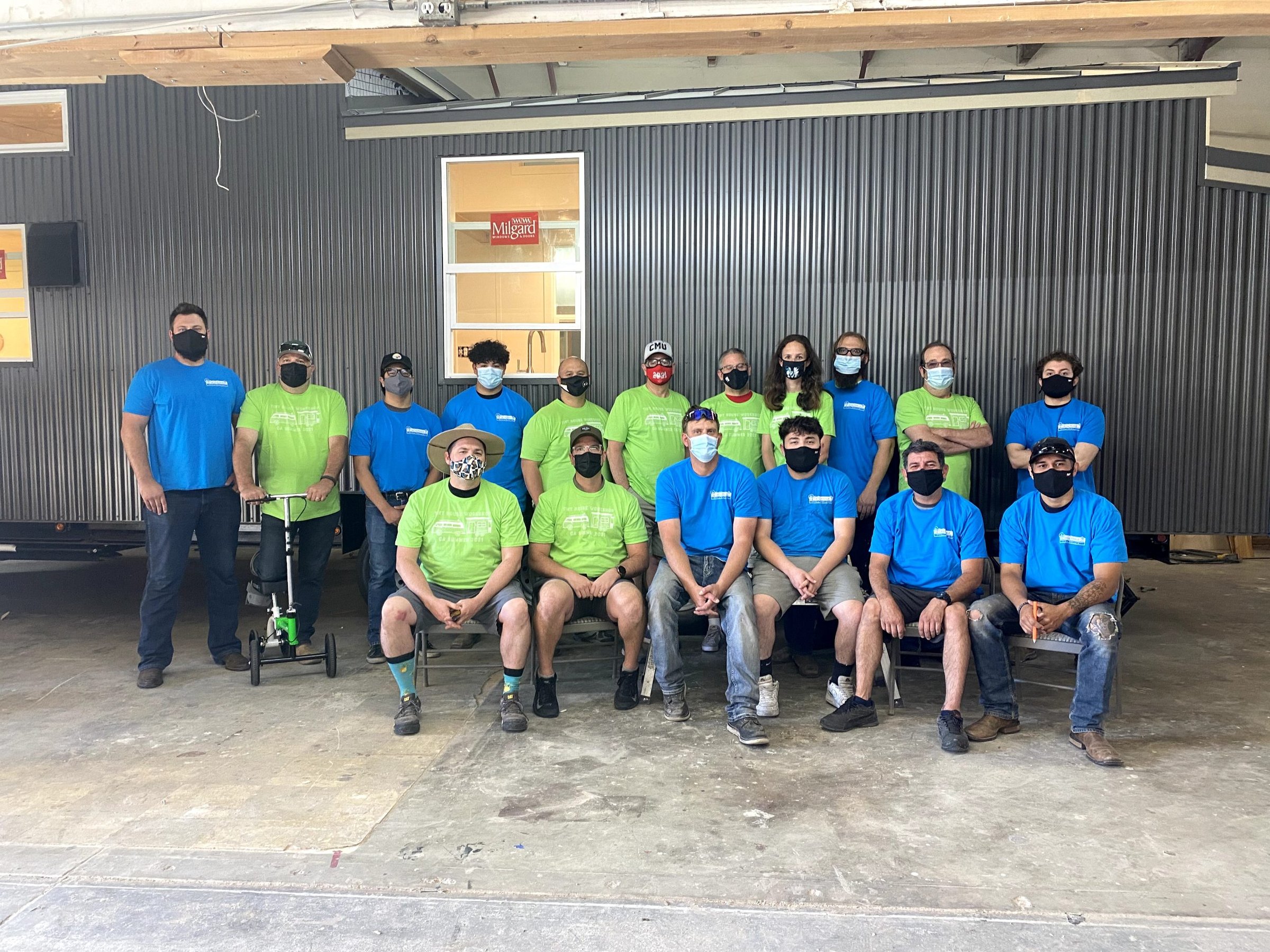
Students and educators building together
What Educators Say
“The students have really bought into this concept. To them, it's real. It has a real outcome and it's a final product that's actually going to go somewhere and make a difference in someone's livelihood.”
Executive Director, Fresno CTE/ROP, Office of the Fresno County Superintendent of Schools
“Very good curriculum for students to understand the trades with great videos in every chapter. The owner is very helpful and available at any time to assist with any questions.”
Construction Tech, Fresno City College
“The students love it. They love the hands on application. They like to see the finished product and try every aspect of construction and the real world application of the process.”
High School Teacher
Making a Difference
Homes that serve the community, and fund the next build
Every completed home is a real contribution. Schools can use finished homes to help meet local housing needs, and completed homes can also be sold to fund future builds. Transportation, placement and occupancy depend on the completed project and applicable approvals.
It's a self-sustaining model: students gain skills, the community gains a home, and the program gains resources for the next class.
Empowerment
Equipping individuals and students with practical, real-world skills.
Education
Making learning accessible and fun, no matter your background or experience level.
Community
Building homes that bring people together and make a positive impact.
Our Approach
How the Program Is Designed
Guided instruction meets hands-on building
Each phase pairs guided instruction with practical work. Instructional videos, lesson plans, build plans, workbooks and assessment resources prepare students, then they build. A wall that isn't plumb can't carry a roof, and students understand that immediately because they're building it.
Every student touches every trade
The project brings many trades into one connected build. Students can work across framing, wiring, rough plumbing and interior finishes rather than specializing too early. The breadth is deliberate. It helps students understand how the trades interact.
The program fits your institution, not the other way around
The course is designed to run inside your existing program structure. It aligns with academic calendars, uses your facility's space, and works within the supervision model your school already has. The program provides curriculum resources, plans and support; your school brings the students, instructors, space and build budget.
Completion is documented
The certification workbook organizes quality checks, test records and photo submissions, so students and instructors have a clear record of what was built and how it was checked. Students leave with practical construction skills and hands-on experience.
Bring This Approach to Your Students
The course is designed to run at your facility, with your students, on your schedule.