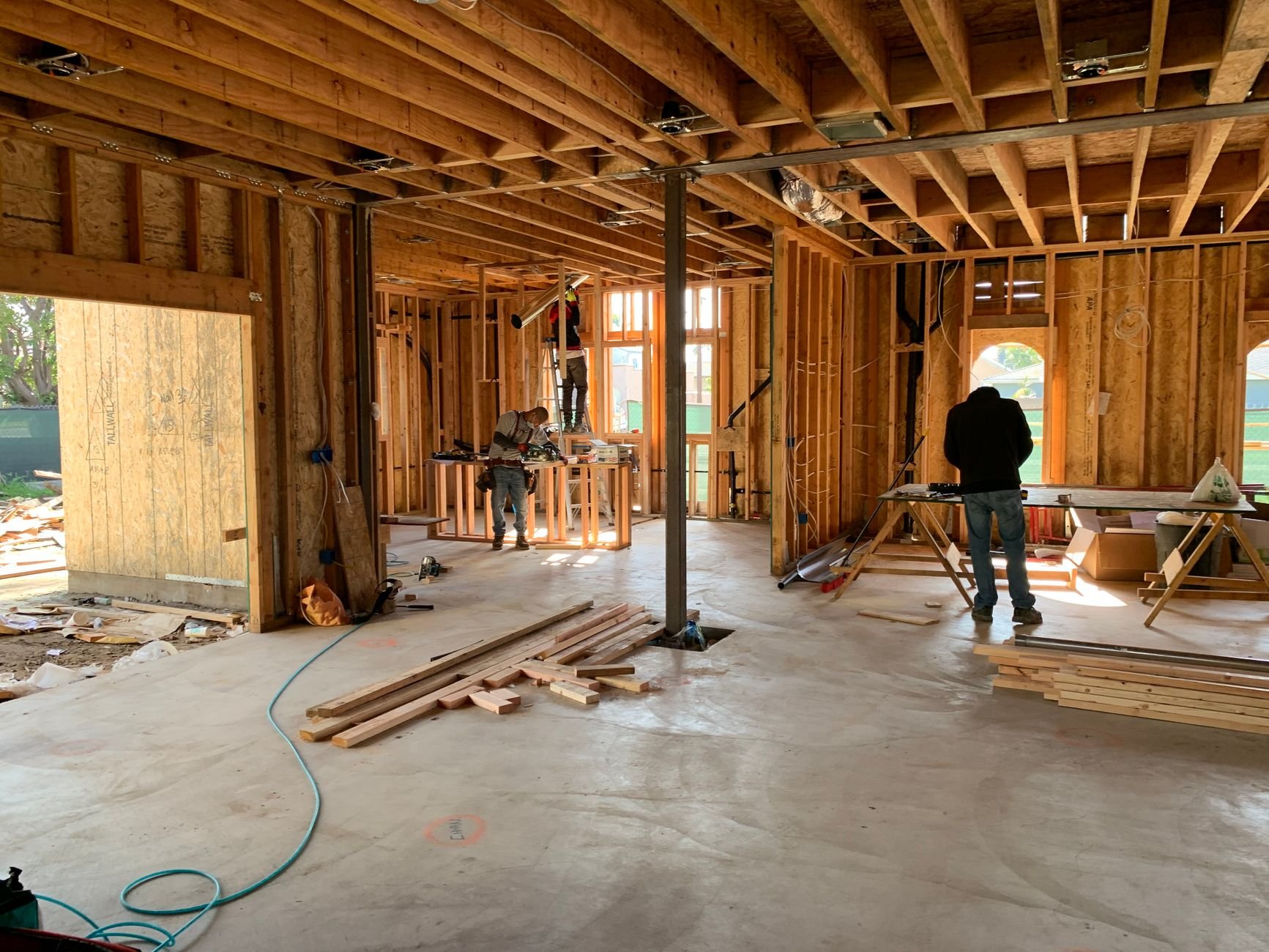
Some students learn best with a pencil. Others learn best with a hammer, a tape measure and a plan in front of them. A high school construction class gives the second group a place to shine, and it gives every student skills that last long after graduation.
Here is why hands-on building belongs in every Career and Technical Education (CTE) program.
Students learn by doing
Framing a wall teaches geometry in a way a worksheet can’t. Students measure, cut, check for square and see right away whether their math was right. When a wall stands up, the lesson sticks.
Project-based learning also builds habits employers ask for:
- Planning a job from start to finish
- Measuring twice and checking work
- Problem-solving when something doesn’t fit
- Safety awareness on a real job site
Confidence comes from building something real
There is a different kind of pride in standing next to a structure you helped build. For students who struggle in a traditional classroom, that moment can change how they see themselves. They stop asking “am I smart enough?” and start asking “what can I build next?”
Teamwork on a build crew
No one frames a tiny home alone. Students work in crews, share tools, communicate clearly and trust each other with real tasks. These are the same teamwork skills any workplace values, whether the student goes into the trades, engineering or something else entirely.
A clear path to careers
The construction industry needs skilled workers, and students who graduate with hands-on experience stand out. A construction course can lead to apprenticeships, entry-level jobs, trade school or college programs in construction management and design.
A structured curriculum helps schools offer this without starting from scratch. The THinc Education program is built around the Tiny Home Build Course for grades 11-12, with 38 instructional videos, lesson plans, build plans and optional teacher training.
What schools should look for
When choosing a construction program for your school, ask:
- Is the curriculum complete, with lesson plans and assessments?
- Is teacher training included?
- Does it fit your schedule and budget?
- Does it lead to a tangible, finished project?
If you want to see how it works in practice, read our page for schools and organizations or get in touch.
The takeaway
Hands-on construction classes don’t replace academics. They make academics real. Students who build see why math, reading and teamwork matter, and they leave with skills they can use. Download our free Program Info Packet to see what a build course could look like at your school.