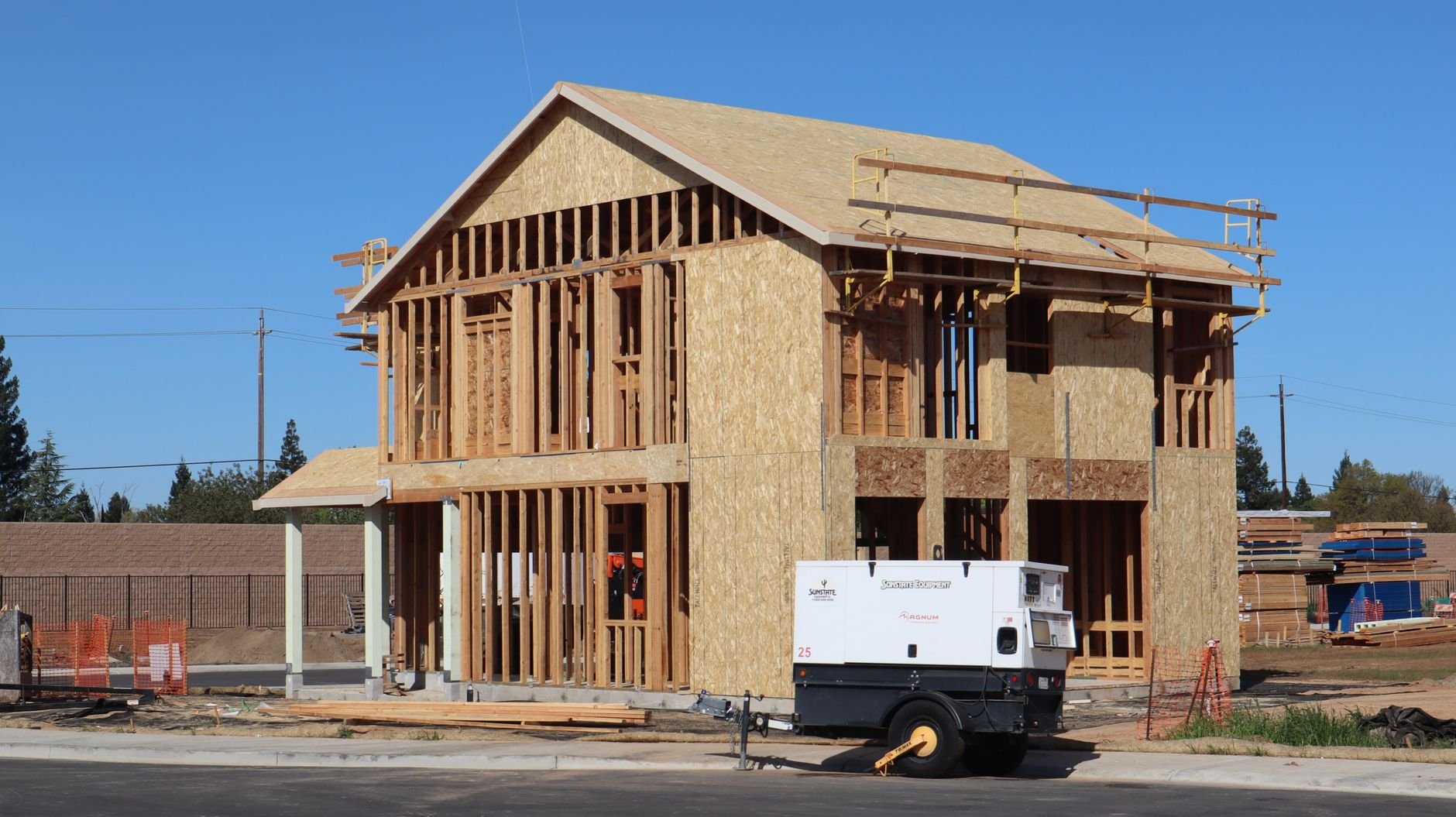
Where can a construction class lead? Further than many students expect. A hands-on course introduces tools, safety, planning and teamwork, and those skills connect to a wide range of careers.
Here are five paths students can explore after a high school construction course.
1. Carpentry and framing
Carpenters build and install the structures we live and work in. Students who enjoy framing, measuring and seeing a project take shape often find a natural fit here. Many start as helpers or apprentices and build skills on the job.
2. Apprenticeships in the skilled trades
Apprenticeships let people earn while they learn. Trades like electrical, plumbing, HVAC and welding often use this model. A construction course gives students a head start with basic tool knowledge and job-site safety.
3. Construction management
Someone has to schedule crews, order materials and keep a project on track. Students who like planning and leading others may go on to study construction management in college or work their way up from the field.
4. Architecture and design
Students who understand how buildings go together make better designers. Hands-on experience framing a structure helps explain why plans are drawn the way they are. It’s a strong foundation for architecture, drafting and building design.
5. Starting a business
Plenty of builders and contractors run their own companies. Learning how a project moves from plan to finished product gives students a first look at what it takes to work for themselves.
How schools can help
Bring local contractors into the classroom, arrange job-site visits and talk with students about the options early. A structured course like the Tiny Home Build Course gives students a finished project and practical construction experience to talk about when they apply for jobs or programs.
The takeaway
A construction course isn’t one path. It’s a starting point for many. Learn how it could work at your school on our page for schools, or grab the free Program Info Packet.